
Personalised andrology service with one of the UK's leading experts
Professor Asif Muneer combines advanced surgical expertise with compassionate care for male infertility, erectile dysfunction and penile prosthesis surgery with exceptional outcomes that exceed international benchmarks.
Consultant Urological Surgeon and Professor of Surgical Andrology based in Central London, internationally recognised for his expertise in male fertility, genital reconstruction, erectile dysfunction, and penile prosthesis surgery.
“I will be forever indebted to Professor Muneer. Within minutes, he diagnosed me…
Truly an expert and thoroughly professional”
Vasectomy Reversal Patency Rate
>95%
Significantly above
international benchmark
Penile Prosthesis Infection Rate
<0.05%
Among the best
in the field
Primary Clinic
16 Devonshire St, London, W1G 7AF
Monday – Friday: 9.00 AM to 7.00 PM
Expert Care, Personalised For You
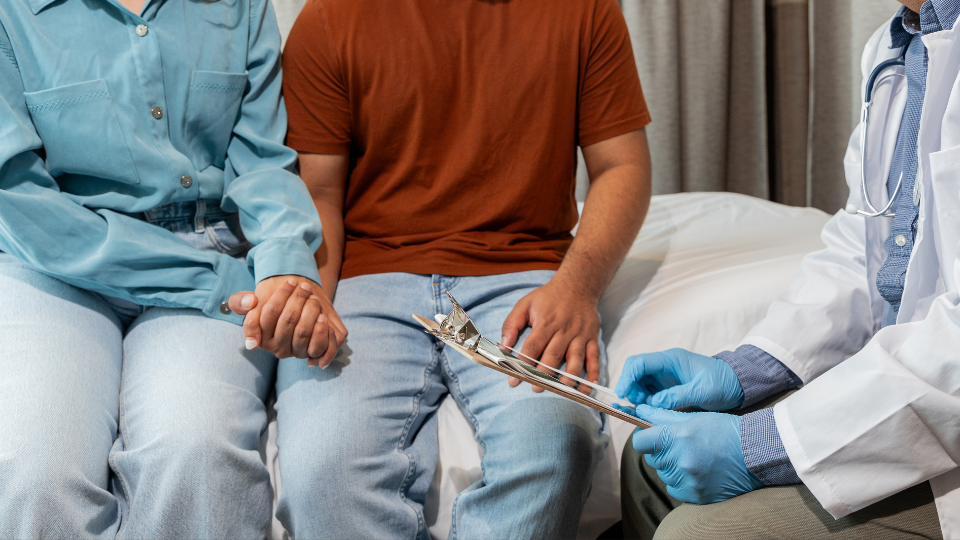
We understand that making decisions about your health can be challenging.
That’s why we combine leading surgical expertise with a supportive and compassionate approach, always focused on achieving the best possible outcome for you.
Solutions for Male Infertility
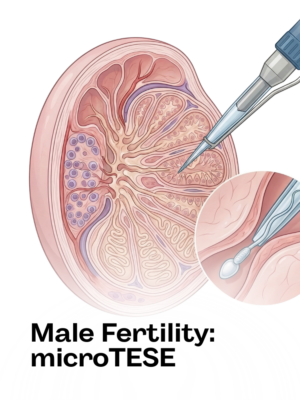
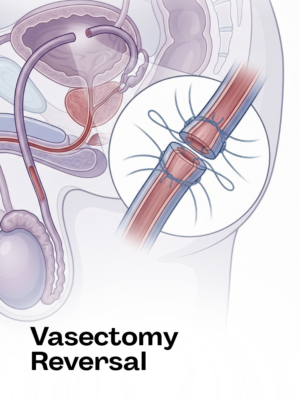
We offer comprehensive care to support your journey towards starting a family, with sperm retrieval rates and microsurgical vasectomy reversal patency rates significantly above international benchmarks.
- Microsurgical Vasectomy Reversal
- Testicular Sperm Extraction (microTESE)
- Microsurgical Epididymal Sperm Aspiration (MESA)
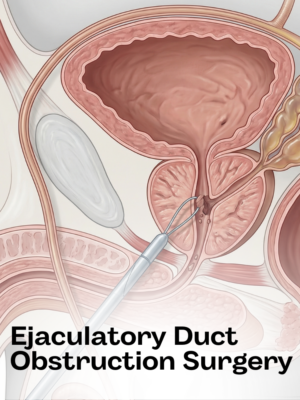
- Surgery for Ejaculatory Duct Obstruction
95% patency rate, with pregnancy rates of 55-70% depending on time since vasectomy

Overcoming Erectile Dysfunction
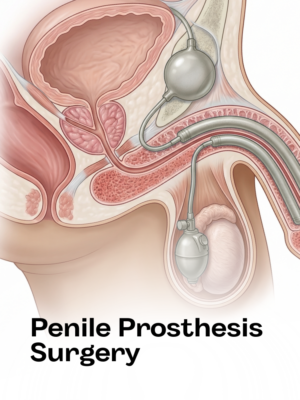
For patients who have not found relief with conventional ED treatments, we offer advanced diagnostics, medical therapies, and definitive penile prosthesis surgery for long-term restoration of function and confidence.
- Penile Prosthesis
- Semi-rigid Implants
- Minimally Invasive Techniques
- Comprehensive ED Management
98% mechanical reliability rate at 5 years, with 97% patient satisfaction
We Accept All Major Insurance Providers






Procedure to remove blockages that prevent sperm from being released during ejaculation.
Pain in one or both testicles, often from infection, injury, or swelling.
Rare cancer affecting the skin or tissue of the penis, treatable if caught early.
Specialized diagnosis, and treatment options for rare paratesticular soft tissue cancers.
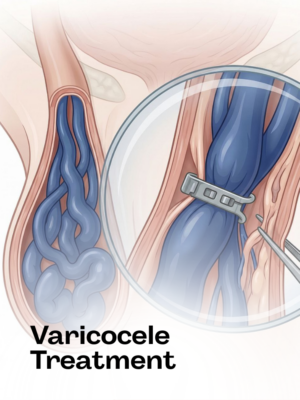
Abnormal growths in the testicles, ranging from harmless cysts to tumors.
Patient‑Centred Journey
We believe every male deserves clear guidance, compassionate care and measurable results.

Consultation & Assessment
A detailed one-on-one consultation to discuss your concerns, medical history, and personal goals.

Precise Diagnosis
Advanced imaging and laboratory investigations to accurately diagnose the cause of your condition.

Tailored Treatment Plan
Personalised treatment options based on your anatomy, lifestyle, and health objectives.

Recovery & Follow‑Up
Ongoing care, guidance, and outcome monitoring to support your recovery.
Hear From Those We've Cared For:
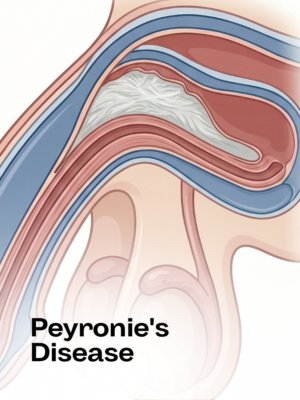
verified patient - Peyronie’s Disease
A huge thank you to Professor Muneer for his expertise and reassurance through the period of initial consultation to surgery. Under very difficult personal circumstances, my consultant has helped me more than he may realise. Thank you!
Patients' Frequent Questions
We understand you may have questions. Here are answers to some commonly asked ones. If you don’t see your question here, please don’t hesitate to contact us.

What should I expect during my first consultation?
Your initial visit includes a thorough review of your medical history, physical examination, and any necessary imaging or tests. Professor Asif Muneer will discuss your concerns, explain potential treatment options, and outline recommended next steps.
Is the treatment painful, and how is pain managed?
All procedures are carefully managed to minimise discomfort, with appropriate anaesthesia and comprehensive pain management plans.
How soon can I return to work and normal activities?
Recovery times vary depending on the procedure; Professor Asif Muneer will provide personalised advice tailored to your specific situation.
Do you accept my private insurance or offer payment plans?
What are the success rates and potential risks?
Taking Control of Your Health, Together.
We understand the sensitive nature of men’s urological health. Our specialists provide a discreet, supportive environment where your concerns are heard, and effective, life-enhancing solutions are within reach.
Address
16 Devonshire St,
London W1G 7AF
Call Us
+44 207 034 8464
Mon–Fri: 09:00–19:00